
Silicone Tube Manufacturer In China
Custom silicone tubes for food, medical, automotive, laboratory, and industrial applications. We manufacture silicon rubber tube in custom sizes, wall thicknesses, colors, and hardness levels with excellent temperature resistance, flexibility, and long-term durability. OEM manufacturing and fast global delivery are available.
Our Silicone Tube Passed Certification
We are focused on the rubber silicone tube for 20 years,we can provide different type of cetification for you.


What Is Silicon Tubes
Silicone rubber tube is a tubular product manufactured from silicone rubber. It is primarily used for the transfer of liquids, gases, and other media, as well as for protective covering and insulation applications. In industrial manufacturing, silicone tubing is generally classified into two main categories: extruded silicone tubing and custom extruded silicone profiles.
The manufacturing process begins by compounding raw silicone rubbers with reinforcing fillers such as fumed silica and other additives. The material is then thoroughly mixed and processed before being extruded through a precision extrusion line to produce.
Why Choose Our Silicone Rubber Tubes
As rubber tube suppliers,we can custom silicone rubber tube base on below your special requirement

High And Low Temperature Resistance
One of the most outstanding features of our silicone tubing is its ability to operate reliably over a wide temperature range of -60°C to +300°C. It maintains stable performance in both extreme cold and high-temperature environments. If you choose conventional rubber or plastic tubing, it may become brittle at low temperatures or soften and deform under high heat, leading to premature failure.

Chemical Stability
Our silicone tubing offers outstanding chemical stability and resists reactions with most chemicals, except for strong alkalis and hydrofluoric acid. It is non-toxic, odorless, non-irritating, and physiologically inert, making it an ideal choice for medical, pharmaceutical, food processing, and beverage applications.

Mechanical Performance
Our silicone tubing combines excellent mechanical strength with long-term durability. It maintains stable performance under repeated use while offering reliable resistance to deformation, making it suitable for a wide range of industrial applications.

High Elasticity and Flexibility
Our silicone tubing is exceptionally soft and flexible, providing excellent elasticity and resilience. It easily withstands repeated bending, compression, and external pressure while quickly returning to its original shape, ensuring long-lasting sealing and reliable fluid transfer performance.

Electrical Insulation
Our silicone tubing is an outstanding electrical insulator. Its dielectric properties remain highly stable even in humid environments or at elevated temperatures. Even in the event of combustion, the resulting silicon dioxide (SiO₂) remains electrically insulating, providing additional protection for your electrical and electronic equipment.

Weathering and Aging Resistance
Our silicone tubing is highly resistant to ozone, UV radiation, weathering, and environmental aging. It maintains its physical properties and appearance even after prolonged outdoor exposure, delivering a long service life and reducing maintenance and replacement costs.
Silicone Tube Specification
| Item | Specification |
|---|---|
| Material | Silicone Rubber |
| ID | Custom |
| OD | Custom |
| Wall Thickness | Custom |
| Hardness | 30–80 Shore A |
| Color | Transparent / White / Custom |
| Temperature | -60℃~230℃ |
Custom Silicone Tube Manufacturing
When you choose the suitable silicone rubber tube supplier, you need to confirm if they have the possible to customize different parameter
1.ID & OD (Inner Diameter & Outer Diameter)
The inner diameter (ID) and outer diameter (OD) are the most fundamental dimensions that determine the flow capacity and compatibility of silicone tubing.
Definition:
- ID (Inner Diameter): Determines the cross-sectional area available for fluid or gas flow.
- OD (Outer Diameter): Determines the installation space and tubing wall thickness.
- Wall Thickness = (OD − ID) ÷ 2
Customization Considerations:
Wall thickness directly affects the tubing’s pressure resistance.
- Thin-wall tubing (e.g., 0.5 mm) offers excellent flexibility and bendability, making it ideal for peristaltic pumps and flexible fluid transfer.
- Thick-wall tubing (e.g., 3 mm or more) provides superior collapse resistance and vacuum performance, making it suitable for vacuum systems and high-pressure applications.
Dimensional Tolerance:
Extruded silicone tubing typically experiences a 3%–4% shrinkage during production. For precision applications, tolerance requirements should be clearly specified. Standard manufacturing tolerances can typically be controlled within ±0.05 mm to ±0.10 mm, depending on the tubing size.
Length
We provide both continuous rolls and custom-cut lengths to match different production requirements.
Continuous Rolls:
Silicone tubing is commonly supplied in rolls, such as 20 m, 50 m, or custom lengths, making it ideal for automated production lines or customer-side cutting.
Custom Cut Lengths:
Tubing can also be cut to specified lengths (e.g., 100 mm, 1 meter, or any custom dimension). Please specify whether you require an exact finished length or a specific quantity of cut pieces.
Length Tolerance:
Standard cutting tolerances are typically ±0.5 mm to ±1.0 mm. For high-precision applications requiring tolerances as tight as ±0.1 mm, laser cutting or specialized cutting equipment may be required.
Color
In addition to improving product appearance, color is widely used for pipeline identification, error prevention, and product differentiation, such as color-coded medical tubing or electrical wire protection.
Customization Options:
Color masterbatch is added during the silicone compounding process. We can match colors according to:
- Pantone® color codes
- Customer-supplied color samples
- Custom color specifications
Important Note:
For medical, pharmaceutical, or food-contact applications, the color pigments must comply with relevant standards such as FDA or USP Class VI. Low-quality pigments may release harmful substances and should never be used in critical applications.
Hardness
Hardness directly affects the tubing’s flexibility, support strength, sealing performance, and ease of installation.
Standard Hardness Range:
Silicone tubing is typically measured on the Shore A hardness scale, with common grades ranging from 20 Shore A to 80 Shore A.
Typical Hardness Levels:
- 20A–30A (Ultra Soft):
Extremely flexible, similar to a rubber band. Ideal for applications requiring repeated compression, tight bending, or peristaltic pumping. - 50A–60A (Medium Soft):
The most widely used general-purpose hardness, offering an excellent balance between flexibility and structural support. - 70A–80A (Firm):
Provides high rigidity and excellent deformation resistance, making it suitable for high-pressure applications or rigid tubing connections.
Performance Trade-Off:
Lower hardness provides greater flexibility and compressibility but increases deformation and permeability. Higher hardness generally improves tear resistance, dimensional stability, and high-temperature performance.
Printing
Printing can be added to the tubing surface for product identification, branding, specifications, flow direction arrows, or medical electrode markings.
Printing Options:
- Pad Printing / Inkjet Printing
Cost-effective and suitable for standard product markings, although resistance to abrasion and solvents is relatively limited. - Laser Marking
Permanent, wear-resistant markings with no ink contamination, making it ideal for medical, pharmaceutical, and cleanroom applications. - Co-Extruded Color Stripes
Colored identification stripes are extruded directly into the tubing wall. Since they are part of the tubing itself, they will never peel, fade, or wear off.
Key Requirements:
For medical applications, printing inks should comply with ISO 10993 biocompatibility requirements. If the tubing will undergo steam sterilization, the printed markings should also be verified for high-temperature resistance.
Cutting
We offer a variety of cutting methods based on your assembly requirements.
Straight Cut (90° Cut):
The most common option. The key quality requirement is a perfectly square cutting surface to ensure leak-free connections.
Beveled Ends:
Chamfered or rounded tube ends make installation easier by allowing the tubing to slide smoothly over fittings while preventing damage to O-rings or scratching of the inner wall.
Custom Profile Cutting:
We can produce angled cuts, saddle cuts, notches, holes, and other special geometries for positioning, ventilation, or custom assembly requirements.
Design Recommendations
Choose a Reasonable ID-to-Wall Thickness Ratio
Avoid combining a very large inner diameter with an extremely thin wall (e.g., less than 0.3 mm), as the tubing may easily collapse and lose its roundness.
Balance Hardness and Wall Thickness
Making soft silicone tubing (20 Shore A) with extremely thin walls is technically challenging. If your application requires this combination, it is recommended to discuss manufacturing feasibility with the supplier during the design stage.
Prototype Before Mass Production
Because silicone rubber experiences material shrinkage during curing and slight color variations may occur between production batches, we strongly recommend producing prototype samples before mass production. Sample approval allows you to verify dimensions, hardness, color, and overall performance before placing a full production order.
Our Silicone Tubes Application in These Industry

Food & Beverage Processing
Food and beverage production requires tubing that can safely transfer liquids without affecting product quality. Tubes must withstand frequent cleaning, hot water, steam sterilization, and repeated bending while complying with strict food safety regulations.
Typical Application:
- Beverage dispensing systems
- Coffee and vending machines
- Dairy processing equipment
- Juice and beverage filling lines
- Peristaltic pumps
- Food processing machinery
- Drinking water transfer systems

Medical & Healthcare
Medical tubing must provide excellent biocompatibility, flexibility, and cleanliness. It should withstand sterilization processes while maintaining consistent performance in demanding healthcare environments.
Typical Application:
- Catheters
- Feeding tubes
- Drainage tubes
- Respiratory devices
- Tracheostomy systems
- Laboratory equipment
- Pharmaceutical processing

Automotive Systems
Automotive tubing operates in environments exposed to high temperatures, engine vibration, ozone, oil mist, and continuous pressure changes. Materials must remain flexible and reliable throughout long service cycles.
Typical Application:
- Air intake systems
- Vacuum lines
- Cooling systems
- Turbocharger connections
- Engine ventilation systems
- Air transfer ducts

Industrial Equipment
Industrial equipment requires tubing capable of handling continuous operation, frequent movement, temperature fluctuations, and demanding production environments. Reliable tubing helps reduce maintenance and improve system efficiency.
Typical Application:
- Pumps and valves
- Laboratory instruments
- Fluid transfer systems
- Air transfer systems
- Vacuum equipment
- Automation machinery
- Industrial processing equipment

Electronics & Electrical
Electrical and electronic equipment often operates under heat, moisture, UV exposure, and outdoor conditions. Protective tubing must provide excellent insulation while maintaining flexibility and weather resistance.
Typical Application:
- LED lighting systems
- Cable insulation
- Cold shrink systems
- Heat shrink protection
- Electrical enclosures
- Communication equipment
- Power distribution systems
Type Of Silicone Tube Provider By RISEUP
We can manufactured these option of silicone tube . You can find the product you are interested in and see the below detailed information.
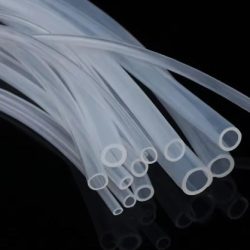
Transparent silicone tubing is typically made from food‑grade or medical‑grade materials (compliant with FDA or LFGB standards), thanks to its low impurity content and high purity. This type of silicone tubing offers the following special properties:
1.High visibility: The flow status, colour changes, and presence of bubbles or contaminants inside the tubing can be directly observed with the naked eye.
2.Chemical inertness: With high purity, it is odourless, non‑toxic, and does not contaminate the liquids or gases passing through it.
3.Soft and resilient, but if the wall thickness is too thin, its pressure resistance will be inferior to that of fabric‑reinforced (hand‑wrapped) air hoses of the same specification.
4. Typically suitable for long‑term use from –60 °C to 200 °C (which aligns with the coffee machine requirements you mentioned in your previous query).
It is used on the coffee machines (for viewing water flow), medical devices (for observing residue or fluids), and laboratory equipment.
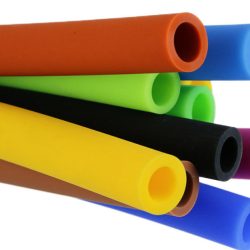
Different from common silicone, which is an insulator, conductive silicone tubing is a semiconductor or conductor.
The tubing is usually black or dark grey in colour – never transparent.
Main Function:
Anti‑static / explosion‑proof: When fluids (such as powders, granules, or flammable liquids) flow through the tubing at high speed, friction generates static electricity. Conductive tubing dissipates this static charge, preventing sparks that could trigger an explosion.
Electromagnetic interference (EMI) shielding: It can block or attenuate electromagnetic interference, preventing internal signal leakage or external signal disruption.
Physical properties: It retains silicone’s excellent resistance to both high and low temperatures (–60 °C to 200 °C), as well as its softness and elasticity.
Main applications:
Industrial anti‑static use: In powder conveying (e.g., pharmaceutical and food powders), paint/solvent extraction – must be grounded to safely dissipate static charge.
Medical devices: Used in certain defibrillator electrodes or as lead‑wire connections for bioelectric signal monitoring.
Electronics and electrical: Used as EMI shielding gaskets in precision instruments, or in stress cones and shielding layer connections for high‑voltage cables.
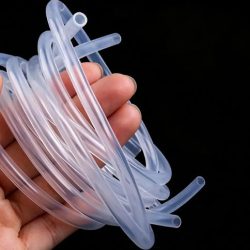
The flexible means the physical and mechanical property of the tubing . it is soft, easily bendable, and foldable.
Flexibility typically based on the following two factors:
Hardness (Shore A): Ordinary silicone tubing has a hardness of 50–70 Shore A. If you need “flexible” tubing, you can choose the products in the 20–40 Shore A range. The lower the hardness, the softer and tackier the tubing becomes.
Tube thickness: using the same material, a thinner wall results in greater flexibility (but also lower pressure resistance).
Main applications:
Medical / nasogastric feeding: Medical‑grade flexible silicone tubing causes less irritation when inserted into the body, offers high comfort, and is unlikely to damage mucous membranes.
Coffee machines / peristaltic pumps: Pump tubing is repeatedly compressed by rollers; good flexibility and excellent resilience give the tubing a longer service life.
Wiring in tight spaces: Inside equipment, where routing paths are convoluted, only flexible tubing can be threaded through.
If you purchase these type of tubing, you need confirm it with the supplier that the hardness and if it is hollow?
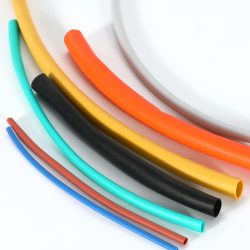
Through our special formulation, the long‑term operating temperature of our silicone tubing can be raised to 250 °C – 300 °C, and it can even withstand short‑term temperature spikes up to 350 °C.
Primary applications include:
☕ Coffee machines (highly relevant): if you are customising for a commercial, continuous‑brew coffee machine where heat accumulates inside the cabinet, choosing our “heat‑resistant grade” (250 °C+) provides an extra margin of safety and longer service life.
🚗 Automotive turbocharger / hand‑wrapped air hoses (needs distinction): If you need it for turbocharger high‑pressure air applications, you must select tubing that offers both heat resistance and fabric reinforcement – neither can be omitted.
Aerospace: cockpit heating systems for aircraft or helicopters, as well as cabin ventilation and temperature control.
Rail transportation: hot air circulation systems for high‑speed trains and other transit vehicles.
Military equipment: Used in hot air circulation systems for military equipment, among other applications.
Semiconductor industry: Used in equipment piping, with extremely high requirements for cleanliness and low extractables/leachables.
Laboratories: Used for fluid transfer over a wide temperature range from –60 °C to +300 °C, often requiring sterilizability and non‑toxic properties.
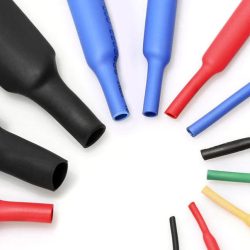
It fits tightly onto the surface of the underlying object like cling film, forming a protective layer. The interior is a solid encapsulation.
Feature:
Although it also resists high temperatures (typically –50 °C to 200 °C), its most key advantages are:
Thin tube thickness: After shrinking, the wall is very uniform and thin (typically 0.5 mm – 2 mm), taking up minimal extra space.
Electrical insulation: High dielectric strength (puncture voltage resistance).
Flame retardancy: Many grades are inherently flame‑retardant (VW‑1 rated) and self‑extinguish immediately after the flame is removed.
Resilience: It retains silicone’s softness and elasticity after shrinking, different from PVC heat‑shrink tubing, which tends to become hard and brittle.
Main applications:
⚡ Electronics and electrical (most common use): Insulation protection and moisture‑sealing for wire splices and solder joints. For example, inside precision instruments, silicone heat‑shrink tubing is placed over exposed metal solder joints and then heated to shrink tightly, preventing short circuits.
🚗 Automotive / aerospace: Protecting wiring harness insulation in high‑temperature engine compartments, and providing resistance to abrasion and oil/corrosion.
🔧 Industrial equipment: Corrosion protection for hydraulic tube fittings and metal pipes, or as non‑slip grip layers for small metal rods.
🏥 Medical minimally invasive instruments: fine silicone heat‑shrink tubing is used for smooth transitions at catheter connections or for covering electrodes.
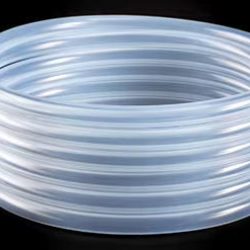
Our silicone tubing that meets stringent biocompatibility standards and is specifically designed for human contact (short‑term or long‑term implantation) or drug delivery applications. As a medical‑grade product, it is clearly defined by the below physical characteristics:
1.Must be platinum‑cured: Peroxide‑curing is absolutely prohibited, because peroxide by‑products (such as acetophenone) are cytotoxic and can leach out, causing harm to the human body.
2.High purity (no additives): No colour masterbatch or conductive carbon black may be added. As a result, the tubing is typically transparent or translucent (to allow visual inspection for blockages); in rare cases it may be pale blue (to reduce glare).
2.Very soft (low hardness): Shore A hardness is typically in the range of 30A – 50A, which is much softer than ordinary industrial tubing (60A – 70A). This reduces friction‑related damage to the delicate linings of the nasal cavity, oesophagus, or intestinal tract.
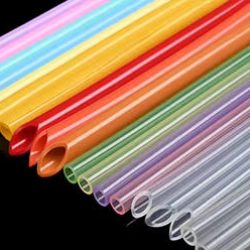
Key Feature:
Colour: Translucent to fully transparent (to allow easy visual inspection for scale buildup or foreign matter inside the tubing). In rare cases, it may be off‑white/opaque, but it is never produced in a variety of colours, as colour masterbatches may migrate.
Curing process: Must be platinum‑cured. Peroxide‑cured tubing, when exposed to hot water in coffee machines, tends to emit a noticeable rubbery or burnt‑plastic odour and can leach trace amounts of acetophenone, which is harmful to health.
Softness: The tubing feels soft to the touch, with a Shore A hardness typically around 50A – 60A. It can be easily flattened by squeezing with your fingers and springs back quickly.
Typical applications: Coffee machine water lines, water dispensers, drinking straws, and baby bottle accessories.
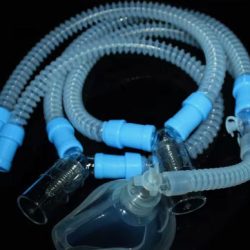
Tt is a silicone crosslinking/curing process that uses a platinum catalyst, as opposed to peroxide‑based curing agents (such as BPO or dicumyl peroxide).
Main advantages: Non toxic by‑products (peroxides leave residues such as acetophenone), high transparency, low compression set, excellent heat resistance, odourless, and outstanding biocompatibility.
Main applications:
💊 Biopharmaceutical & Medical – The Core “Golden” Arena
This is the most widespread and demanding field for platinum‑cured silicone tubing. Its high purity ensures that no harmful substances leach out to contaminate expensive drug solutions, and it can withstand repeated steam‑in‑place (SIP) sterilisation and gamma irradiation.
Biopharmaceutical production:
– Fluid transfer: used in the preparation and transfer of media and buffers, and for feeding supplements into bioreactors (for cell or microbial culture).
– Purification processes: transporting process fluids during critical purification steps such as chromatography, ultrafiltration/tangential flow filtration (TFF), and virus filtration.
– Final filling: used in the final sterile filling of pharmaceuticals.
Medical and laboratory applications:
– Medical devices: used in blood and fluid processing, dialysis, intravenous (I.V.) administration, surgical drainage, etc.
– Peristaltic pump tubing: ideal for peristaltic pumps (commonly used for precise fluid delivery) due to its high elasticity and tear resistance.
– Single‑use systems: as pre‑assembled sterile tubing in systems such as single‑use bioreactor bags.
Analytical instruments: equipment such as automatic analysers.
High‑purity water systems: the transfer of ultrapure water.
☕ Food & Beverage – Safeguarding Taste and Safety
When you drink coffee, milk, or purified water, you may be relying on this tubing. It imparts no off‑taste to food products.
Food and beverage transfer: conveying drinking water, milk, fruit juice, soft drinks, edible oils, etc.
Food processing equipment: internal tubing in coffee machines, beverage dispensers, food filling machines, and similar equipment.
High‑standard hygienic applications: complies with FDA and other standards, and is suitable for clean‑in‑place (CIP) procedures.
💄 Cosmetics & Personal Care – Guaranteeing
In the production of cosmetics and personal care products, it is critical to prevent contamination of raw materials and finished products.
Production transfer: conveying fluid or semi‑fluid materials such as creams, lotions, and shampoos.
Filling line applications: the sterile filling stages of products.
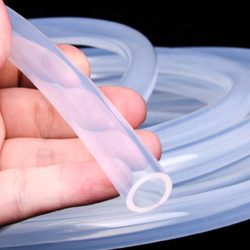
“Food Safe” means that the final finished product is safe and the total extractables/leachables do not exceed permissible limits under defined temperature, time, and contact‑medium conditions. It differs from “food‑grade” silicone tubing: food‑grade primarily indicates that the raw materials meet food‑contact requirements, whereas “Food Safe” emphasises verifying the migration levels of the finished product.
Mandatory requirements for “Food Safe” compliance:
Raw material purity: Must be platinum‑cured, as peroxide‑cured residues (e.g., acetophenone) can migrate into food at high temperatures, affecting flavour and posing health risks.
Non‑toxic and odourless: No rubbery or plastic odour after exposure to boiling water.
Colour restriction: For absolute safety, coloured tubes with added masterbatches are not used; typically high‑clarity transparent or translucent off‑white.
Primary applications:
☕ High‑temperature beverage equipment (core use): Steam wand tubing in commercial/home coffee machines, internal connecting tubes in hot water dispensers/boilers. Hot water accelerates extractable migration; only tube that has passed “Food Safe” migration tests is suitable here.
🍼 Baby & maternal products: Straws for baby bottles, connectors for teethers, tubing for breast pumps. Infants have weaker metabolism and demand the highest food‑safety standards.
🍺 Beverage filling (alcoholic/non‑alcoholic): Tubing for craft beer transfer, juice/milk filling machines.
🧊 Ice makers / water purifiers: Tube that is continuously immersed in cold or ambient‑temperature water.
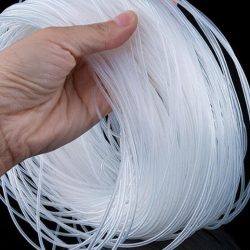
“Small Silicone Tube,” it generally means tubing with an inner diameter (ID) ≤ 6 mm.
Main applications:
🏥 Medical & Laboratory (most critical)
Infant / paediatric nasogastric tubes: Newborns have extremely narrow nasal passages, requiring ultra‑fine medical‑grade silicone tubing with IDs of 1.5 mm – 3 mm.
Intravenous (IV) extension lines: Fine connecting tubes at the end of infusion sets.
Analytical instruments (HPLC / chromatography): Precise delivery of chemical solvents, requiring extremely uniform inner diameters (tolerances of ±0.05 mm).
Micro‑peristaltic pumps: Tubing for laboratory drip‑feeding of pharmaceutical liquids.
☕ Coffee Machines & Appliances
Internal tubing in espresso machine brew heads: Very fine water lines from the boiler to the brew head, typically 3 mm – 4 mm ID.
Pressure gauge connecting tubes: Fine silicone tubing connecting the boiler to the pressure gauge.
E‑cigarettes / atomisers: Oil or air tubes, typically 1 mm – 2 mm ID.
⚡ Electronics & Electrical
Insulation sleeves for fine wires: Encasing very thin sensor wiring to prevent short circuits and heat damage.
Sealing and waterproofing for LED strips: Sleeving over the connecting wires of LED strips.
Important considerations when purchasing small‑diameter tubing:
Tolerance sensitivity: Small‑bore tubing presents issues not seen with larger diameters. A 1 mm variation in a large tube is negligible, but a 0.2 mm difference in a small tube causes a substantial change in cross‑sectional area – for example, it could completely alter water flow rate in a coffee machine.
Solution: We control tolerances to within ±0.1 mm.Kinking and blockage (excessive flexibility): Thinner tubes have smaller bend radii, but if the wall is too thin (e.g., 2 mm ID with only 0.5 mm wall thickness), even a slight bend can cause the inner walls to stick together, blocking flow completely.
Solution: For tubing with IDs ≤ 4 mm, we recommend a tube thickness of at least 1 mm to maintain shape and prevent collapse or kinking.Residual contaminants inside the tube (food‑safety hazard): If the inner wall is peroxide‑cured (which leaves an odour), residues are difficult to wash out, and the liquid passing through may have a persistent “raw rubber” taste.
Solution: For food‑contact applications with small diameters, we suggest you to choose platinum‑cured tubing – otherwise, the odour will never dissipate.
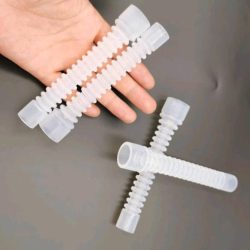
This typically refers to pre‑cut finished sections of tubing, with connectors (such as barb fittings or Luer connectors) already attached to both ends.
Primary applications:
Medical field (used with nasogastric or colonic tubes): this is the most common application.
Coffee machines / water dispensers: used on the water path from the pump to the brew head, or to connect the water tank to the boiler. In such cases, the tubing usually comes with stainless steel barb fittings at both ends for easy connection and disconnection.
Ventilators / oxygen concentrators: suitable for oxygen tubing, allowing patients more freedom to turn over or move around in bed.
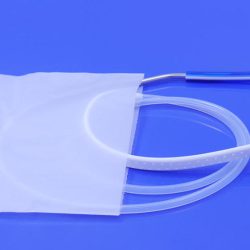
A type of tubing with a specific flat shape and dedicated. Applications:
1. 🏥 Medical Field: Efficient Post‑Operative Drainage Tubes
This is the primary and most professional application of “flat silicone tubing.” It is commonly referred to as a “Flat Drainage Tube.”
Key advantages:
Prevents clogging: The flat body, combined with internal tooth‑like or grooved structures, effectively prevents tissue blockage and ensures smooth drainage.
Low trauma: The soft medical‑grade silicone and smooth rounded tip minimise irritation and damage to surrounding tissues.
Easy fixation: The flat shape facilitates better wound tissue adherence, preventing the tube from dislodging prematurely.
Product form: Typically a complete medical consumable, with a flat, perforated section at one end for internal drainage, connected to a transparent round tube at the other end for external connection. It is also equipped with a radiopaque line for X‑ray localisation.
2. ☕ Commercial / Industrial Field: Fluid Delivery in Confined Spaces
Beyond medical uses, flat silicone tubing is also employed in precision industrial equipment, thanks to its space‑saving properties.
Application example: For instance, flat silicone tubing is used internally in professional espresso machines to connect water or steam circuits.
Key advantages:
Space‑saving: The internal space of coffee machines is limited; flat tubing fits into compact layouts more easily than round tubing.
Flexible and kink‑resistant: In narrow or bending paths, flat tubing is more flexible than round tubing and is less prone to kinking, which could cause blockages.
Temperature and pressure resistance: Flat tubing used in such applications is typically food‑grade silicone, capable of withstanding the high temperatures and pressures found inside coffee machines
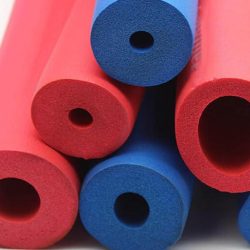
During high‑temperature vulcanization, a foaming agent is added to the silicone compound. This foaming agent decomposes under heat, releasing gas that creates a uniform, micro‑cellular structure within the silicone.
Function:
1. Sealing performance: the foam tubing typically has a closed‑cell structure, where each bubble is individually sealed. This prevents the penetration of moisture and air while maintaining good elasticity, making it ideal for sealing strips or gap‑filling applications.
2.Superior cushioning and vibration damping: The soft sponge‑like structure effectively absorbs and disperses energy, making it an excellent material for shock absorption and buffering.
3.Outstanding thermal and acoustic insulation: The large volume of trapped, static air acts as a poor conductor of both heat and sound, providing effective insulation against temperature and noise.
4. Temperature resistance: Inheriting silicone’s inherent thermal stability, the standard operating temperature range is –40 °C to 200 °C, with high‑end grades capable of withstanding –60 °C to 300 °C.
5.Lightweight and weather resistance: Thanks to its internal cellular structure, the material has a low density and is very lightweight. It also exhibits excellent resistance to ozone, UV radiation, and aging, making it suitable for outdoor use.
Applications:
1.Sealing and protection: Window and door seals, waterproof and dustproof gaskets for electronic equipment, protective sleeves for pipe joints.
2.Cushioning and vibration damping: Engine compartment seals in automobiles, cushion pads for power battery packs, grip sleeves for fitness equipment, shock‑absorbing pads for precision instruments.
3.Thermal and acoustic insulation: Insulating sleeves for pipework, thermal insulation layers for high‑temperature equipment, sound‑proofing materials for audio devices.
4.Electrical insulation: Protecting wire and cable assemblies, providing insulation and physical protection.
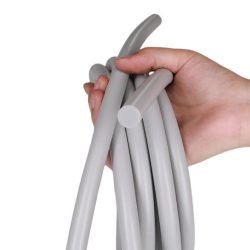
Solid silicone tube is a dense tubing with no bubbles or voids within its wall. It different from silicone foam tubing. Its main applications include:
☕ Coffee machines / water dispensers: the solid wall prevents leakage under high pressure and does not absorb water, ensuring that the coffee concentration is not affected.
🏥 Medical drainage / nasogastric feeding: the solid wall ensures precise and controllable flow rates during aspiration or infusion, preventing dosage deviations caused by adsorption of the liquid onto the tube wall.
⚙️ Peristaltic pumps: the solid wall can withstand repeated roller compression and will not fail to rebound after being flattened, unlike foam tubing.
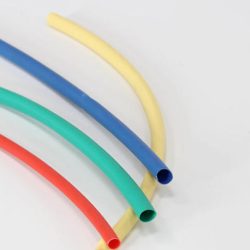
It is a silicone tube with the ability to prevent water molecules from penetrating and to protect the internal contents from moisture
Advantages:
1.Excellent waterproof and moisture-proof performance: This is the core function, effectively preventing water, moisture, and other liquids from penetrating.
2.Superior temperature resistance: Operates over a wide temperature range, typically from –60 °C to 200 °C, with some grades capable of withstanding –40 °C to 300 °C.
3.Outstanding electrical insulation: Electrical properties change very little even when damp or in contact with water, making it ideal for protecting electronic components.
4.Good chemical stability: Resistant to aging, ozone, UV radiation, and a wide range of acids and alkalis.
5.Environmentally friendly and safe: Non‑toxic and odourless, meeting international safety standards for the medical and food industries.
Main Application :
1.Electronics and electrical:
A.Wire and cable protection: Used as insulating and waterproof sleeves for outdoor equipment and telecom base station cables to prevent rainwater ingress.
B.LED strip sealing: Used for waterproof sealing of LED strips in underwater, outdoor, and curtain‑wall installations.
C.Cold‑shrink tubing: A special silicone tube that self‑contracts over cable joints to form a tight waterproof seal.
2.Household appliances:
A.Internal piping: Used as fluid conduits in appliances such as water dispensers and coffee machines.
B.Waterproof circuit protection: Protects internal wiring from moisture and water exposure.
3.Industrial and outdoor:
A.Fluid transfer: Used in the food and beverage industry for liquid conveying to prevent leakage.
B.Sealing and water‑stop: Used for waterproof sealing in machinery, doors/windows, curtain walls, dams, and other engineering applications.
Note:
Waterproof (hydrophobic) does not mean air‑impermeable. Although silicone’s molecular structure effectively blocks liquid water, it has a certain permeability to gases such as oxygen and carbon dioxide. In some applications (e.g., medical devices) this can be an advantage, but in scenarios requiring absolute gas‑tightness (such as vacuum or high‑pressure gas systems) it may be a drawback. Therefore, when you are sourcing, we will not only confirm the waterproof rating with you but also verify whether the gas barrier properties meet your specific requirements
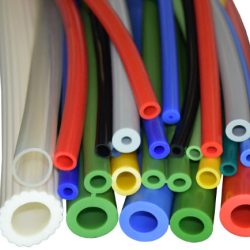
Tubing with a standard circular cross‑section. It is easy to manufacture and benefits from the most mature extrusion process. It is mainly used in the following applications:
☕ Coffee machines / water dispensers
🏥 Medical / nasogastric feeding
⚡ Electronic wire harness protection
⚙️ Peristaltic pumps / industrial water transfer
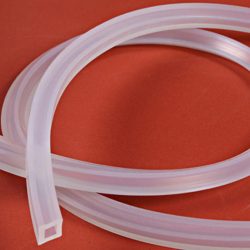
This is a profiled silicone tubing (non‑standard, non‑circular) that plays an important role in applications requiring specific shapes to achieve certain functions. It is available in two forms: hollow (tubular) and solid (strip). The rectangular shape gives it several advantages over conventional round tubing.
1. LED and Electronics Industry: Waterproofing and Heat Dissipation
This is one of its most typical applications. Rectangular silicone tubing is often used as a waterproof protective sleeve for LED strips. Its flat, regular shape conforms perfectly to the PCB board of the strip, providing both waterproofing and dust protection while also facilitating heat dissipation. It is also suitable for internal tubing in household appliances such as coffee machines and water dispensers.
2. Industrial and Engineering: Sealing and Connection
Sealing and vibration damping: It is often made into sealing rings, gaskets, and dust‑proof strips of various shapes to fill rectangular gaps, providing sealing, dust protection, and shock absorption.
Flexible pipe connections: It is used to manufacture large rectangular expansion joint hoses that connect different pipes or equipment, accommodating displacement caused by thermal expansion and contraction.
3. Medical and Life Sciences: Precision Delivery
Thanks to silicone’s biocompatibility, medical‑grade rectangular tubing can be used to produce multi‑lumen tubes, enabling simultaneous transport, aspiration, and other operations within a single tube.
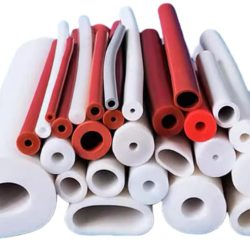
This is silicone tubing with an internal hollow channel, used for conveying liquids or gases.
Main applications:
🏥 Medical and life sciences: In infusion lines, urinary catheters, and microfluidic channels in laboratories.
☕ Food and beverage: Used for liquid transfer in coffee machines, water dispensers, and beverage dispensing equipment.
⚡ Electronics and electrical: As insulating sleeves for wire and cable to protect internal conductors.
🏭 Industrial and automotive: In pneumatic systems, vacuum lines, and oil/fuel piping.
🛡️ Surface protection (masking): Protective sleeves over screws, pins, and other components during painting, electroplating, and similar processes to prevent coating buildup.
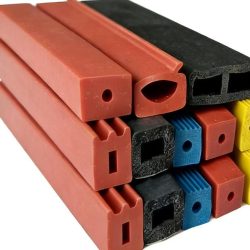
This is a shaped tubing with a square or rectangular external cross‑section. The square design is not merely for aesthetics – it addresses several practical drawbacks of round tubing:
1.Anti‑roll and more stable: The square outer profile allows it to sit flat on a work surface without rolling around. This is especially convenient in laboratories or on workbenches where frequent handling is required.
2.Kink‑resistant and unrestricted flow: The square structure effectively reduces the risk of kinking (sharp folding) during bending, ensuring that the internal passage for gas or liquid remains unobstructed.
3.Space‑saving and better fit: In confined or irregular spaces, square tubing utilises space more efficiently than round tubing and conforms more closely to equipment contours.
It is available in two types:
Hollow square tube: Features an internal channel for conveying gases or liquids. Examples include square vacuum tubes used in laboratories, hoses for hookah (water pipes), and waterproof protective sleeves for LED strips.
Solid square strip: Completely dense (non‑hollow) interior; used primarily for sealing, gap‑filling, and vibration damping. Examples include square sealing strips for doors, windows, and electrical cabinets.
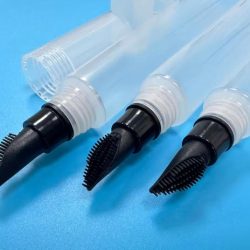
This is completely different. It is not a component or fitting, but a soft, finished container that can be refilled and reused repeatedly. Its core value lies in portability, environmental friendliness, and cost savings.
Main Applications:
1. 🧳 Travel & Personal Care – The Ideal Form of a Travel Bottle
This is the most common and mainstream application of refillable silicone tubes. They are designed to replace single‑use hotel minis or bulky bottles at home, allowing you to decant various liquid toiletries.
Core use: Decanting shampoo, conditioner, body wash, facial cleanser, lotion, sunscreen, and other liquid or gel personal care products.
Key advantages:
– Easy to squeeze clean: The soft silicone material allows you to squeeze out every last drop, with no waste.
– Leak‑proof design: High‑quality products feature tight, secure caps (flip‑tops, screw‑tops, or lock‑type lids) to prevent spills in luggage.
– Lightweight and durable: Silicone is light, tough, and shatter‑resistant – far more reliable than cheap plastic travel bottles.
– Airline‑compliant: Most sizes (e.g., 60 ml, 89 ml) are under 100 ml, meeting TSA and other aviation security regulations for carry‑on luggage.
2. 🍔 Food & Outdoor – Sauce on the Go
Beyond cosmetics, these soft tubes are also widely used for carrying food, especially sauces and semi‑liquid foods.
Core use: Carrying ketchup, mustard, salad dressing, cooking oil, honey, and even liquid treats for pet training.
Key advantages:
– Food‑grade safety: Products for this purpose must be made from food‑grade silicone, ensuring they are safe and non‑toxic for contact with food.
– Keeps fresh: The airtight seal prevents air ingress, slowing oxidation and spoilage of sauces.
– Reduces waste: Reusable, replacing single‑use plastic sachets – saving money and helping the environment
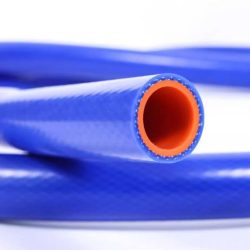
This is an “advanced” silicone tubing that significantly boosts performance through the incorporation of an internal reinforcement layer. While standard silicone tubing is soft and prone to swelling, collapsing under vacuum, or kinking under pressure or bending, reinforced silicone tubing embeds a “skeleton” (such as a braided fabric or spiral wire) within the tube wall. This reinforcement layer is the core element, and its material and weaving pattern ultimately determine the tubing’s performance.
Reinforcement layer location: The reinforcing material is encapsulated between silicone layers.
Common reinforcement materials:
1.Polyester: The most common material, suitable for high‑pressure applications such as food and beverage processing.
2.Fiberglass: Provides higher strength.
3.Aramid / Nomex: High‑strength, high‑temperature specialty material.
4.Stainless steel wire: extreme high‑pressure and specialised medical applications.
Different structures serve different purposes:
Spiral reinforcement: Primarily enhances “kink resistance,” preventing the tube from folding shut.
Braid reinforcement: Provides comprehensive strength, mainly for high‑pressure resistance and burst prevention.
Application:
Based on their superior performance, reinforced silicone tubes are widely used in applications requiring pressure resistance or kink resistance:
☕ Food & Beverage: Coffee machines, beer/dairy filling lines, and other equipment that handles high‑pressure fluids and demands food‑grade safety.
🏥 Biopharmaceutical & Medical: High‑pressure infusion, peristaltic pumps, and implantable medical devices (e.g., pacemaker lead sheaths), where purity and strength are paramount.
🏭 Industrial & Laboratory: Vacuum systems, high‑pressure gas/liquid transfer, cooling lines, and more.
🚗 Automotive & Transportation: Turbocharger hoses, cooling systems, and other environments requiring both high temperature and high pressure resistance.
Choose reinforced silicone tubing : Consider it whenever your application needs to withstand pressure (positive or negative) or requires bending in tight spaces without kinking
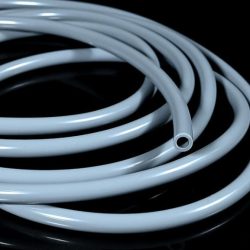
It is a silicone tube that can be reused multiple times over a long period, though this does not mean it lasts forever. It has several key properties:
1.Resists repeated sterilisation: It can withstand high‑temperature, high‑pressure steam sterilisation (autoclaving) or chemical sterilisation without significant degradation in performance. For example, medical‑grade reusable silicone tubing can tolerate sterilisation at 134 °C.
2.Pure and stable material: High‑quality reusable silicone tubing (e.g., platinum‑cured) contains no extractable plasticisers. This ensures that it does not contaminate the fluid passing through it over long‑term, repeated use, nor does it harden due to plasticiser loss.
3.Excellent physical properties: It offers good elasticity, flexibility, resistance to extreme temperatures (e.g., –73 °C to 204 °C), and chemical resistance, maintaining stable performance under various harsh conditions.
Environmentally friendly and economical: Compared with single‑use products, it significantly reduces waste and lowers long‑term operating costs.
Primary Applications:
🏥 Medical & Pharmaceutical: Surgical suction tubes, irrigation tubes, reusable gastric tubes, and peristaltic pump tubing. These applications require the tubing to withstand repeated high‑temperature, high‑pressure sterilisation and to meet stringent biocompatibility standards such as USP Class VI.
🔬 Laboratory & Research: Transferring liquids and gases between vessels, and as connecting tubing for laboratory equipment (e.g., EZ‑Fit filtration devices), requiring stable performance and no sample contamination.
🏭 Industrial Manufacturing: Silicone sleeves during surface treatment (e.g., powder coating, anodising to protect threads), as fluid transfer tubing in equipment, and as peristaltic pump tubing.
☕ Food & Beverage: Food processing equipment for conveying juices, milk, alcoholic beverages, and other liquids, requiring FDA‑compliant materials and easy cleanability
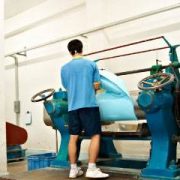
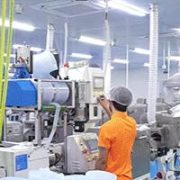
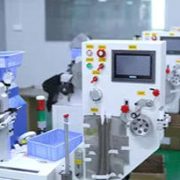
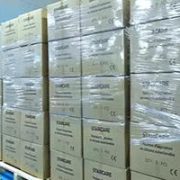
Our Silicone Tube Manufacturing Process
We are silicone rubber tube manufacturers in China, we strictly adhere to our production processes to provide customers with high‑quality, cost‑effective products.





FAQ
Standard silicone tubes typically operate between -60°C and +230°C (-76°F to +446°F). Special silicone compounds can withstand even higher temperatures for short periods.
Yes. Food-grade silicone tubes can be manufactured using FDA or LFGB compliant silicone, making them suitable for food processing, beverage equipment, and drinking water applications.
Yes. We manufacture custom silicone tubes with different inner diameters, outer diameters, wall thicknesses, lengths, colors, and hardness levels based on your drawings or specifications.
Yes. Silicone tubes offer excellent resistance to UV radiation, ozone, and weathering, making them ideal for outdoor and long-term environmental applications.
Yes. High-temperature silicone tubes are widely used in applications requiring continuous heat resistance. Standard silicone tubing typically withstands temperatures from -60°C to +230°C, while maintaining flexibility, durability, and reliable performance in demanding industrial environments.
Related Products
"Take The Efficient Booster For Your Business Now "

Alan Chen
Product Sales Manager & Rubber Specialist at RISEUP
