
Epdm Rubber Tube Manufacturers In China
RiseUp manufactures custom EPDM rubber tubes designed for water, steam, outdoor, and industrial applications. Our EPDM tubing provides excellent resistance to ozone, UV, weathering, and hot water, with customized sizes, hardness, and profiles available for OEM projects.
Our Epdm Rubber Tube Brand Customers
We have offered OEM/ODM services for rubber parts over the past 20 years and have gained the confidence of numerous international clients. we provide the epdm rubber products for our worldwide customer,a selection of our partners is listed below.


What Is EPDM Rubber Tubes?
EPDM is the abbreviation for Ethylene Propylene Diene Monomer, and it is a high‑performance synthetic rubber.
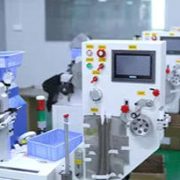
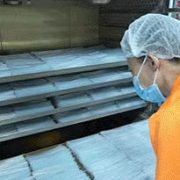
The manufacturing of EPDM rubber tubing is a process that transforms raw materials into durable products. We deliver the finished products to you through compounding, extrusion, vulcanization, and cutting of the EPDM raw materials.
The epdm rubber tube is oftern used for the water systems,HVAC equipment,Automotive cooling systems,Industrial machinery and so on
Key Features






EPDM Tube Specifications
| Parameter | Details |
|---|---|
| Material | EPDM Rubber |
| Hardness | 40-90 Shore A |
| Temperature | -40°C to +150°C |
| Inner Diameter | Custom |
| Outer Diameter | Custom |
| Wall Thickness | Custom |
| Color | Regualr Color:Black / Custom |
| Surface | Smooth / Fabric Finish |
| Manufacturing | Extrusion |
Types of EPDM Tubes By RISEUP
Since our customers come from over 80 different countries around the world, their requirements for product types vary. Below are the various types of EPDM tubes we produce for our customers. If any of the types listed below interest you, please let us know – we can provide you with one‑on‑one customized services
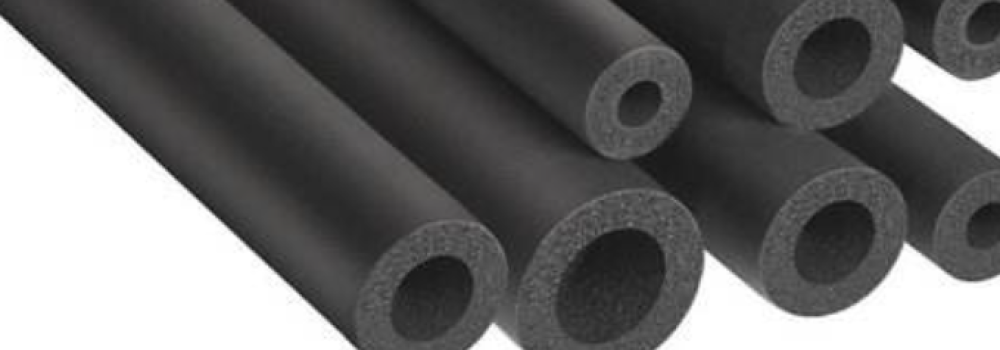
Epdm Foam Tube
During the manufacturing process, a foaming agent is added. Through chemical or physical foaming, independent micro‑bubbles are formed inside the rubber, giving it a feel similar to high‑density sponge – soft, resilient, and springing back when pressed with a finger. A cross‑section clearly reveals a fine, honeycomb‑like cellular structure.
Key advantages:
1.Excellent thermal insulation / cold retention: EPDM foam tubes are commonly used as insulation tubes due to their excellent thermal insulation and sealing performance,Extremely low thermal conductivity effectively prevents heat exchange between the inside and outside of the tube. This is its biggest selling point.
2.Waterproof and moisture‑proof: The closed‑cell structure prevents water from penetrating, effectively eliminating condensation (dew formation) on the tube wall caused by temperature differences.
3.Cushioning and vibration damping: Soft and resilient, it absorbs shock and noise.
4.Retains the EPDM foundation: It still inherits EPDM’s outstanding resistance to ozone, UV radiation, and aging – it does not easily powder or degrade when exposed to outdoor sunlight.
Primary applications:
1.HVAC and refrigeration (the most core application): This is arguably the most important field for EPDM foam tubing.
2.Industrial sealing and protection
3.Fitness and sports equipment

Solid EPDM Tubes
- A hollow cylindrical rubber product made from EPDM (ethylene propylene diene monomer) as the base material, manufactured through an extrusion molding process, with a fully dense (non‑cellular) cross‑sectional wall structure. It is typically used as a fluid transfer component or as a dynamic/static sealing element.
Best For: Automotive coolant systems, windshield washer lines, agricultural chemical sprayers, and outdoor fluid transfer.
Why it excels: Our solid epdm rubber tubes are manufactured to precise dimensional tolerances, providing robust structural integrity and exceptional flow rates. They easily handle hot water, steam, and mild alkaline chemicals while surviving decades of direct sunlight exposure without cracking.
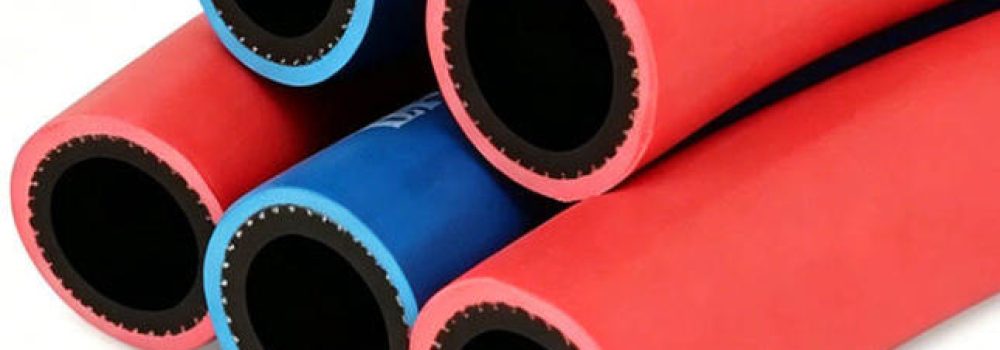
Braider Epdm Tube
It is Tube with Braided Reinforcement
This type of tubing typically consists of three layers:
Inner tube: Dense EPDM rubber. It is in direct contact with the conveyed fluid (water, coolant, air) and provides the base resistance to corrosion and temperature.
Reinforcement layer (the core of the “braider”): This is what “Braider” refers to. It is a mesh‑like skeleton formed by cross‑braiding high‑strength fibres (such as polyester, nylon, aramid) or fine steel wires on the tube wall, resembling a “fishing net” or “knitted sleeve”.
Outer cover: Usually also ozone‑resistant and weather‑resistant EPDM rubber, which protects the inner braid from external abrasion, UV radiation, and chemical attack.
💪 Key Function
1.Compared with unreinforced “solid EPDM tubing”, the braided version delivers a qualitative leap in performance:
2.Significantly improved pressure‑bearing capacity
3.Resistance to negative pressure (prevents collapse/suction flattening)
4.Enhanced resistance to pulsation and flex fatigue

Epdm Cold Shrink Tube
This is a high‑performance insulating and sealing protective sleeve made of EPDM material.
Key features:
1.Quick and safe installation: No open flame or heat gun is required – the operation is simple, significantly reducing the risk of installation errors.
2.Permanent elastic seal: It applies a constant, stable radial pressure on the cable and can “breathe” with the cable, maintaining a tight seal even during thermal expansion and contraction.
3.Inherits all excellent properties of EPDM: Including resistance to ozone, UV radiation, weathering, acids, alkalis, salt spray, and outstanding electrical insulation.
4.Strong adaptability: One size of cold‑shrink tubing fits cables of different diameters within a certain range, offering good versatility.
Main applications:
1.Cable insulation and sealing
2.Protection of outdoor base stations
3.Suitable for various harsh environments, including indoor, outdoor, overhead, direct burial, and even underwater installations
EPDM Tube Application on Your Industry
EPDM tube used for different industry, base on your industry special requirement,we give the best solution for you

Water Systems
EPDM rubber tubing is widely used in water systems, ranging from household drinking water to industrial wastewater treatment. Below are the main applications of EPDM tubes in various water systems.
💧 Primary Application Scenarios
Potable Water Conveyance (Drinking Water): This is a very important application. EPDM tubes that comply with FDA, NSF 61, and other standards can be used to transport drinking water, beverages, and food. They are often used as temporary drinking water lines, for example, in emergency situations when municipal water mains burst.
Industrial and Agricultural Water: Widely used for pumping, suction, and drainage in mines, quarries, construction sites, and similar locations. Also suitable for conveying service water, irrigation water, diluted agricultural fertilizers, brine, and slurry/mud.
HVAC and Cooling Systems: Commonly used in closed heating or cooling systems, such as air conditioners, central heating systems, and coolant transfer in marine and automotive applications.
Wastewater and Sewage: Its robust and durable nature makes it suitable for suction and transfer of wastewater and sewage.
Other Speciality Waters: Can also be used to convey distilled water.
⚙️ Why Choose EPDM? Core Advantages
EPDM tubes are highly favoured in water systems, thanks to the following properties:
Excellent weather resistance: Extremely resistant to ozone, UV radiation, and extreme weather conditions, making it ideal for outdoor or harsh environments.
Good heat resistance: Operates over a wide temperature range, typically from –40 °C to +100 °C, with some products capable of reaching +120 °C or even +140 °C.
Chemical stability: Good resistance to a wide range of acids, alkalis, and chemicals.
Abrasion‑resistant and durable: Tough material with good abrasion resistance and a long service life.
🛠️ How to Choose the Right EPDM Tubing When Purchasing?
When sourcing, you can consider the following aspects to help eliminate potential risks, save time, and reduce procurement costs:
1.Confirm certifications: For drinking water applications, the first priority is to check whether the product has NSF 61 or FDA certification.
2.Clarify pressure and temperature: Choose products with ratings higher than your system’s maximum operating pressure and temperature.
3.Check the reinforcement layer: Select according to the intended use:
Low pressure / no pressure (e.g., equipment connection tubes): choose unreinforced or braid‑reinforced tubing.
Medium/high pressure or suction/discharge: choose hoses with fibre braid, spiral fabric, or steel wire helix reinforcement to withstand pressure and prevent collapse during suction.
4.Evaluate fluid compatibility: Double‑check that the fluid does not contain petroleum‑based solvents, and also confirm whether resistance to specific chemicals is required.
5.Consider size and bend radius: Choose the appropriate inner and outer diameters, and ensure that the installation bend radius is not less than the hose’s minimum bend radius to prevent kinking or damage.

HVAC Systems
In HVAC engineering, EPDM tubing is primarily used as flexible connectors between equipment and as piping for circulating fluid transfer.
1. Vibration‑Absorbing Flexible Joints (Equipment Connections)
This is the most “irreplaceable” role of EPDM tubing in HVAC. It is mainly used to connect chillers, heat pumps, and air handling units (AHUs) to rigid copper or steel pipes.
Function: Absorbs mechanical vibration and noise generated by equipment operation, preventing vibration from being transmitted through rigid piping to the building structure.
Form: Typically EPDM hoses with steel wire or high‑tensile fabric reinforcement, fitted with metal flanges or threaded swivel joints at both ends.
2. Condensate Drain Pipes (Indoor Unit Side)
Used to connect the drip tray of fan coil units (FCUs) or ceiling‑mounted air conditioners, draining condensate to the sewer.
Characteristics: This section operates under gravity flow (no pressure) and usually uses unreinforced (plain) EPDM tubing. Its flexibility makes it easy to route through ceiling spaces.
Advantages: EPDM offers excellent mould resistance and water resistance, and does not become brittle at low temperatures like ordinary PVC.
3. Closed‑Loop Water Systems (Chilled / Hot Water)
Used to convey chilled water or heating water, particularly in secondary pump systems that use ethylene glycol (antifreeze).
Advantages: EPDM has good chemical compatibility with ethylene glycol‑based antifreeze solutions and can also tolerate corrosion inhibitors (such as phosphates and nitrites) added to the system.
4. Compressed Air Lines (Auxiliary)
In HVAC automation systems, small‑diameter EPDM tubes are often used to connect pneumatic actuators (e.g., damper drives).
⚠️ Critical Prohibitions and Red Lines in HVAC (Must Read)
For HVAC systems, you must use solid EPDM tubing (non‑foam).
EPDM is absolutely prohibited for use in refrigerant liquid lines, for the following reasons:
Reason 1 (Permeability): The molecular gaps in EPDM rubber are relatively large. Gaseous or liquid refrigerants (such as R410A, R32) will slowly permeate through the tube wall, causing gradual refrigerant loss over the years, which is extremely difficult to detect and locate.
Reason 2 (Chemical incompatibility): The POE (polyolester) or PAG (polyalkylene glycol) lubricating oils used in refrigeration systems have very poor compatibility with EPDM, causing severe swelling, softening, and even bursting of the tubing. Refrigerant lines must use copper pipes or specialised nylon / PTFE‑lined hoses

Automotive Systems
In the automotive sector, EPDM tubing finds even more extensive and critical applications than in HVAC systems. It is primarily used throughout the engine compartment. Below are the main application scenarios and core advantages, and we can customise solutions for your specific product applications.
🚗 Main Application Scenarios
1. Cooling & Heating Systems – This is one of the most core applications of EPDM tubing.
Radiator and engine cooling: Connecting the engine, radiator (coolant tank), and other components to convey coolant (antifreeze).
Heating systems: Directing hot engine coolant to the heater core in the passenger cabin for winter heating.
Turbocharger cooling: Dedicated cooling circulation for high‑temperature turbochargers.
Features: These hoses are typically constructed with an EPDM inner tube, a fabric‑reinforced braid layer, and an EPDM outer cover to withstand pressure and prevent collapse under vacuum. The operating temperature range is generally –40 °C to +125 °C, with some grades reaching +150 °C or higher.
2. Brake Systems – This is a safety‑critical application. EPDM is selected as the inner tube material for brake hoses due to its good compatibility with DOT3/DOT4 brake fluids. These hoses are typically multi‑layered: an EPDM inner tube, a high‑tensile braided reinforcement (e.g., polyester, nylon), and a heat‑resistant, oil‑resistant, ozone‑resistant EPDM outer cover.
3. Intake & Turbocharger Systems
Intake piping: Connecting components such as the air filter, turbocharger, and intercooler to convey pressurised, high‑temperature air. For example, brands like AEM offer EPDM intake manifold couplers specifically designed for racing and aftermarket applications.
Features: The material must withstand high temperatures and have good resistance to oil mist and fuel vapours.
4. Vacuum & Emission Systems
Vacuum lines: Connecting various vacuum‑actuated accessories, such as brake boosters and EGR (exhaust gas recirculation) valves.
Emission control: Used in evaporative emission control systems, among others.
5. Other Auxiliary Systems
Windscreen washer systems: Conveying cleaning fluid containing antifreeze additives.
Cable and wiring harness protection: Serving as sleeves that provide mechanical protection, heat resistance, and chemical resistance for wiring inside the engine compartment.
Sealing and vibration damping: Used as sealing strips for doors and luggage compartments, or as cushioning pads to reduce vibration and noise.
Despite EPDM’s strong performance, you need to pay special attention when selecting suppliers and designing products:
Absolute prohibition: fuel systems. EPDM is extremely incompatible with petroleum‑based oils and fuels. Contact with gasoline, diesel, or engine oil will cause rapid swelling, severe performance degradation, or even damage. We can provide NBR tubing and PTFE tubing to meet your requirements.
“Oil‑free” formulation for brake hoses: In EPDM compounds used for brake systems, the use of processing oils is typically restricted to ensure long‑term compatibility with brake fluids.
Follow industry standards: EPDM hoses for automotive applications must meet stringent industry standards, such as SAE J20 and J1402, as well as DIN standards. When selecting a partner, check whether they hold relevant automotive certifications, such as TS16949.
Pay attention to reinforcement layers: Depending on the pressure of the application, EPDM tubing may be unreinforced. For special components, you may consider choosing tubing with fibre braid reinforcement

Electrical & Outdoor Equipment
In the electrical and outdoor equipment sectors, the applications of EPDM tubing different significantly from those in the previous fields (water systems, HVAC, automotive). Here, EPDM tubing is usually used as a high‑performance “protective sleeve” rather than a “conveyance tube,” with its core tasks being insulation, sealing, and protection.
Below are the typical applications of EPDM tubing in electrical and outdoor equipment:
⚡️ 1. Power and Cable Protection (Core Application)
This is the most important and central application of EPDM tubing in the electrical field, with the product form typically being cold‑shrink tubing.
Cable insulation and joint sealing: This is the most common use. EPDM cold‑shrink tubing is widely used for intermediate joints and terminations of medium‑ and low‑voltage power cables, communication cables, and fibre‑optic cables, providing reliable insulation and sealing. It is particularly suitable for cables rated at 1000 V and below.
Protection in harsh environments: The excellent weather resistance of EPDM allows it to perform well in a variety of environments, including indoor, outdoor, overhead, direct‑burial, and even underwater applications. For example, it can be used directly in cable trench backfill or submerged conditions.
Quick cold‑shrink technology: EPDM cold‑shrink tubing is factory‑expanded and pre‑installed over a removable support core. Installation requires no heat or special tools – simply hand‑pull the support core, and the tubing relies on its own “elastic memory” to permanently and tightly shrink around the cable. This is safer and faster than traditional heat‑shrink tubing.
Cable jacket repair: Can be used for fast and effective repair of damaged cable outer sheaths.
🛠️ 2. Outdoor Equipment and Line Protection
Leveraging its excellent physical and chemical stability, EPDM tubing provides protection for various outdoor equipment.
Animal and abrasion protection: A specialised product known as “Protector Tubing” is a thick‑wall (e.g., 3.175 mm) EPDM tube used to cover overhead cables, preventing shorts or damage caused by wildlife (such as birds, squirrels) or contact with tree branches and building structures.
Telecom base station and antenna sealing: In exposed environments such as communication base stations and wireless transmission towers, it is used for waterproofing, moisture‑proofing, and salt‑spray corrosion sealing at connections for antennas and feeders.
Mould and mildew resistance: EPDM has inherent resistance to mould and fungal growth, making it ideal for long‑term use in humid outdoor environments where microbial growth is a concern.
☀️ 3. Renewable Energy and Solar Systems
With the growth of renewable energy, EPDM tubing has found new and important applications.
Solar collectors: Utilising EPDM’s excellent heat resistance (up to 150 °C), UV resistance, and weatherability, it is formed into collector mats with parallel hollow channels for solar heating systems. It is corrosion‑resistant and freeze‑tolerant.
Solar pipe insulation: EPDM foam insulation tubing is also used to insulate solar thermal piping, reducing heat loss and ensuring system efficiency.
🔩 4. Other General Outdoor Applications
Tool handles and pipe repair: Can be used to provide non‑slip, insulated handles for tools, or for quick repair and sealing of damaged outdoor piping.
Equipment damping and sealing: Utilising its elasticity, it is made into gaskets, seals, and vibration dampers for waterproofing, dustproofing, and shock absorption in various outdoor electrical devices.
Insulated wiring protection: As sleeves for wires and harnesses, providing insulation, abrasion resistance, and weather protection.
Data centre cooling: Used for cooling cables in data centres, with high insulation performance and UL‑94 V0 flame‑retardant rating to ensure safety.
Key Considerations When Purchasing Custom Products
Clarify the product type: You need to provide your requirements, and we will select the correct product form – for example, “cold‑shrink tubing” for quick installation, “Protector Tubing” for abrasion protection, or “foam tubing” for thermal insulation.
Confirm the voltage rating: When used for cable insulation, be sure to select a product whose rated voltage (e.g., 1000 V) meets the requirements of your application.
Pay attention to specific certifications: In environments with strict fire‑safety requirements, consider products with low smoke zero halogen (LSOH) or flame‑retardant properties (e.g., UL‑94 V0).
Mechanical strength: In applications where animal gnawing or mechanical abrasion may occur, choose products with greater wall thickness and higher mechanical strength.

Industrial Equipment
In the industrial equipment sector, EPDM tubing finds a wide range of applications, serving multiple functions including fluid transfer, equipment cooling, pneumatic power transmission, and system sealing.
Below are the core applications I have listed for you in industrial scenarios:
⚙️ Key Application Scenarios
1. Industrial Liquid Cooling and Heat Dissipation Systems – This is one of the fastest‑growing applications today. EPDM tubing is used to convey cooling media such as water or water‑glycol mixtures to dissipate heat from data centre servers, plasma cutters, injection moulding machines, industrial furnaces, and other heat‑generating equipment. Some hoses also feature UL‑94 V0 flame‑retardant ratings, which is critical for facilities with fire safety requirements.
2. Fluid Transfer in High‑Temperature and Harsh Environments – Leveraging its excellent heat resistance, EPDM tubing is often used to convey high‑temperature steam (some grades can withstand 150 °C), cooling water for industrial furnace doors (with special outer layers to resist splashes of metal or glass), and compressed air. It also withstands a wide range of chemicals, including various acids, alkalis, and salt solutions.
3. Construction Machinery and Heavy Equipment – On equipment such as excavators and rotary drilling rigs, EPDM tubing is used to convey slurry and water. In mines and construction sites, it serves as air supply lines for heavy pneumatic tools (e.g., jackhammers) or as general‑purpose suction/drainage hoses for industrial water, sewage, and slurries.
4. General Pneumatic and Hydraulic Systems – Used as connecting lines between air compressors and pneumatic tools, or for conveying hydraulic fluids such as oils.
5. Electrical Insulation and Wiring Harness Protection – Utilising its excellent electrical insulating properties, EPDM tubing provides insulation and abrasion protection for cables and wiring harnesses, especially in applications requiring high insulation performance, such as cooling water pipes for industrial furnaces.
Key Considerations for Industrial Applications
Poor oil resistance (the most critical caution!): The “Achilles’ heel” of EPDM is its incompatibility with petroleum‑based oils and fuels. Contact with gasoline, engine oil, etc., will cause swelling and a sharp decline in performance – exposure must be avoided. If oil resistance is required, we recommend choosing our NBR tube.
Strict adherence to temperature and pressure ratings: High temperatures significantly reduce the pressure‑bearing capacity of hoses. When selecting and customising, you must consider both operating temperature and pressure simultaneously, leaving adequate safety margins for the system.
Choose reinforced products: For systems with pressure requirements (such as hydraulic or high‑pressure pneumatic systems), we recommend selecting hoses with reinforcement layers such as fabric braiding or steel wire winding.
Pay attention to special certification requirements: Depending on the application environment, specific certifications may be required, such as FDA food‑grade compliance, UL‑94 V0 flame retardancy, or high‑insulation performance.
Custom EPDM Tubes Manufacturing
As a tier-one epdm rubber tube manufacturer, we know that surviving decades of UV radiation, +150°C steam, and aggressive coolants requires more than just generic rubber. The true barrier to entry in heavy-duty epdm tubes lies in polymer architecture and uncompromising extrusion control. Here is how we engineer out the failure points that plague standard commercial tubing:
 Advanced Polymer Compounding (Sulfur vs. Peroxide Cured): We don’t use off-the-shelf batches. Our chemists precisely modify the Ethylene-Propylene ratio to dictate the tube’s low-temperature flexibility and green strength. Furthermore, we offer targeted curing systems: Sulfur-cured for maximum tensile strength and tear resistance, or Peroxide-cured EPDM for ultra-low compression set and continuous temperature resistance up to +150°C (+302°F) in automotive coolant systems.
- Vacuum-Vented Extrusion for Zero Porosity: A microscopic air bubble in the tube wall is a guaranteed burst point under high pressure. We utilize advanced vacuum-vented extruders that completely extract trapped gases and moisture before the die. Combined with real-time laser micrometer monitoring, we guarantee extreme dimensional stability (ID/OD) adhering to strict ISO 3302-1 Class E1/E2 tolerances.
- UHF Continuous Vulcanization for Long-Length Coils: Manufacturing continuous, 100-meter+ seamless rolls without flattening the tube is a major engineering challenge. We employ state-of-the-art Microwave (UHF) Continuous Vulcanization lines. This allows the epdm rubber tube to cure uniformly from the inside out in mid-air, ensuring perfectly round profiles and stress-free long continuous lengths, drastically reducing your on-site splicing requirements.
- ASTM-Validated Weathering Durability: We don’t just promise UV resistance; we prove it. Our custom rubber parts and extruded rubber tubes are heavily loaded with highly dispersed carbon black and specifically tested against rigorous automotive and industrial standards (e.g., ASTM D1149 for Ozone Cracking, SAE J20 for Coolant Systems), guaranteeing over 10+ years of deployment without micro-cracking or polymer degradation.
 Advanced Polymer Compounding (Sulfur vs. Peroxide Cured): We don’t use off-the-shelf batches. Our chemists precisely modify the Ethylene-Propylene ratio to dictate the tube’s low-temperature flexibility and green strength. Furthermore, we offer targeted curing systems: Sulfur-cured for maximum tensile strength and tear resistance, or Peroxide-cured EPDM for ultra-low compression set and continuous temperature resistance up to +150°C (+302°F) in automotive coolant systems.
 Vacuum-Vented Extrusion for Zero Porosity: A microscopic air bubble in the tube wall is a guaranteed burst point under high pressure. We utilize advanced vacuum-vented extruders that completely extract trapped gases and moisture before the die. Combined with real-time laser micrometer monitoring, we guarantee extreme dimensional stability (ID/OD) adhering to strict ISO 3302-1 Class E1/E2 tolerances.
 UHF Continuous Vulcanization for Long-Length Coils: Manufacturing continuous, 100-meter+ seamless rolls without flattening the tube is a major engineering challenge. We employ state-of-the-art Microwave (UHF) Continuous Vulcanization lines. This allows the epdm rubber tube to cure uniformly from the inside out in mid-air, ensuring perfectly round profiles and stress-free long continuous lengths, drastically reducing your on-site splicing requirements.
 ASTM-Validated Weathering Durability: We don’t just promise UV resistance; we prove it. Our
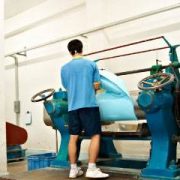
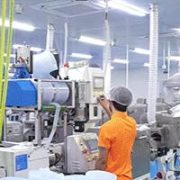
Our EPDM Rubber Tubes Production Process




FAQ
Yes. As rubber tube supplier,we manufacture custom EPDM tubes with customized sizes, wall thickness, hardness, colors, and rubber formulations based on customer requirements.
We supply standard EPDM tubes, EPDM foam tubes, reinforced EPDM tubes, cold shrink EPDM tubes, and custom profile EPDM tubing.
EPDM tubing can be customized in different inner diameters, outer diameters, wall thicknesses, and lengths according to application requirements.
Different from silicone tube and NBR tube,EPDM tubing offers excellent resistance to ozone, UV, weathering, water, and steam, providing long service life in demanding environments.
EPDM rubber tubes are commonly used for water systems, HVAC, automotive cooling, outdoor equipment, and industrial applications requiring weather and ozone resistance.
Releted Products
"Take The Efficient Booster For Your Business Now "

Alan Chen
Product Sales Manager & Rubber Specialist at RISEUP
